COMMUNITY LIFE-SAVING & CAPABILITY INITIATIVE
Community Life-Saving & Capability Initiative
Life-Saving Knowledge Shouldn't Stop at the Institution.
Community Awareness · Life-Saving Skills · Local Responders · Youth Development · Sustainable Capability
Build Community Capability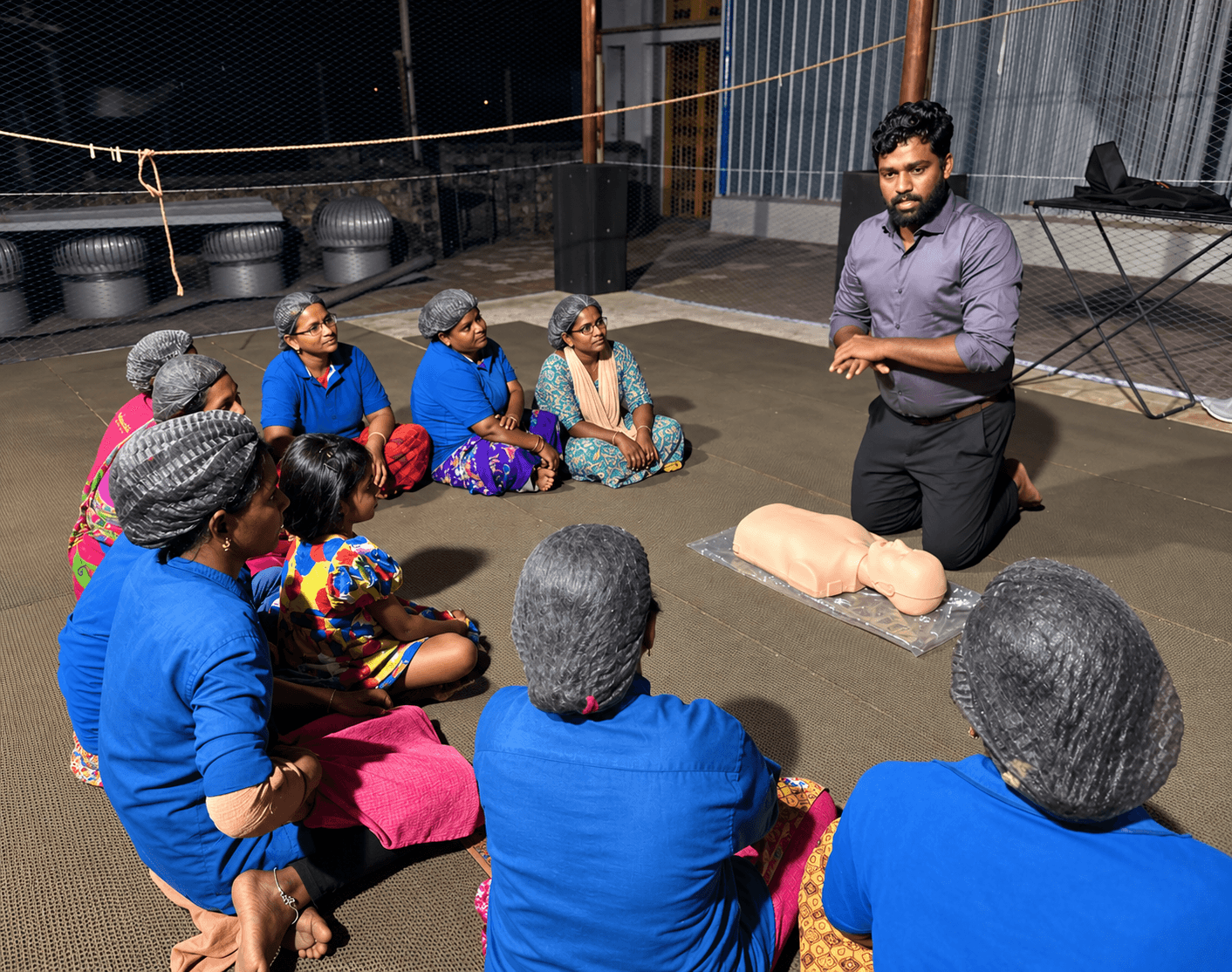
WHEN HELP IS NOT CLOSE ENOUGH
A medical emergency can happen anywhere.
At home.
On the road.
At work.
In a village.
In a community where professional help may take time to arrive.
In those moments, the first person to respond is often not a doctor, nurse or trained emergency professional.
It is simply someone who happens to be there.
The first few minutes belong to the community.
WHY THIS INITIATIVE EXISTS
Schools, colleges and workplaces can build trained people.
But communities are much larger.
Large sections of the community live outside these structured environments, often without access to basic life-saving knowledge.
Our goal is to take that knowledge beyond institutional boundaries and create communities where people can:
- Recognise an emergency.
- Avoid making it worse.
- Know what to do first.
- Call for appropriate help.
- Support one another until professional care arrives.

Awareness starts the journey. Community capability sustains it.
FROM AWARENESS TO COMMUNITY CAPABILITY
- Awareness
- Skills
- Responders
- Local Trainers
- Community Capability
Not everyone needs the same level of learning.
A community program can create different pathways.
Community Awareness
Introduce people to essential life-saving concepts and correct common misconceptions about emergencies.
Life-Saving Skill Development
Identify interested participants who want to go beyond awareness and develop practical First Aid, CPR and BLS skills.
Community Responders
Develop genuinely capable individuals who can respond within their level of training.
Local Trainers
Identify passionate and capable individuals who can be developed into local trainers and facilitators.
Community Capability
Over time, local people continue transferring knowledge within their own communities, reducing dependency on external trainers.
THE COMMUNITY IS PART OF THE SOLUTION
We don't want to keep returning to teach the same community forever.
We want to help a community build its own capability.
Our role can gradually move from:
- Teaching
- Developing
- Mentoring
- Accreditation Supporting
As local capability grows, the community becomes increasingly self-sustaining.
Golden Circle can return periodically to review practices, strengthen skills and support further development.
The strongest community program is one that eventually needs us less.
BUILDING OPPORTUNITIES FOR YOUNG PEOPLE
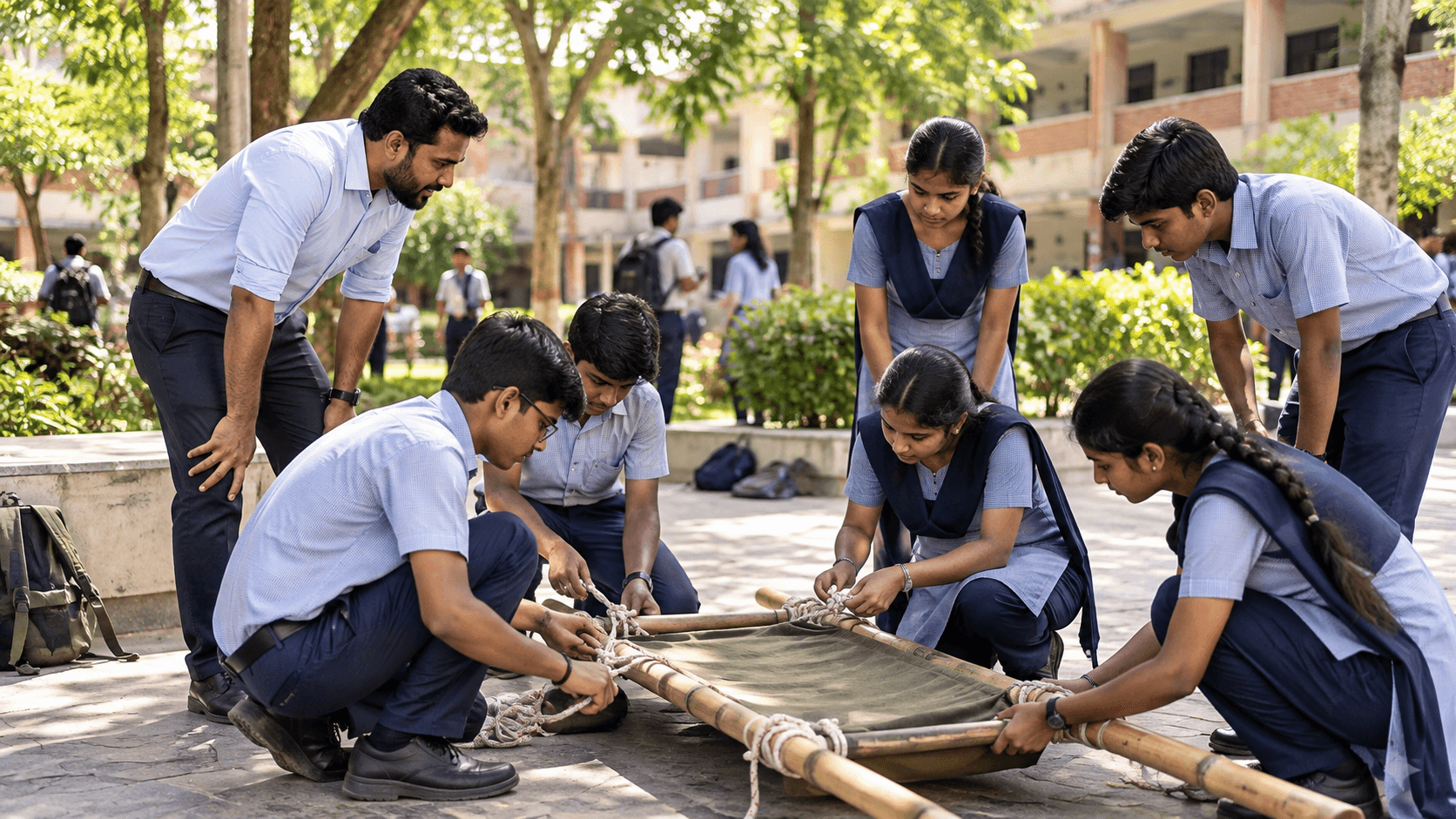
Life-saving skills can become a pathway to meaningful work.
Some young people, particularly in underserved and rural communities, may have limited access to clear employment pathways.
This initiative can identify young people with:
- Interest
- Communication
- Commitment
- Compassion
- Ability to Learn
Selected individuals can undergo a structured development pathway:
- Selection
- Skill Development
- Certification
- Mentoring
- Field Deployment
- Trainer Development
The aim is not simply to create trainers.
It is to create capable young people who can serve their communities, build meaningful work opportunities and grow with experience.
PARTNERSHIPS THAT TAKE KNOWLEDGE FURTHER
Community capability cannot be built alone.
We work with organisations that already have trusted access to communities.
Partners can support through:
- Community mobilisation
- Sponsorship
- Training access
- Local infrastructure
- Youth development
- Community outreach
Together, we can take life-saving knowledge where conventional training often doesn't reach.
DESIGNED AROUND THE COMMUNITY
No community is exactly the same.
For larger community or CSR projects, we can understand:
- Who lives there?
- What are the common risks?
- What medical support is available?
- How quickly can professional help arrive?
- What age groups need to be reached?
- Who can become local responders or trainers?
The program can then be designed around the people, risks and realities of that community.
MEASURING WHAT MATTERS
We don't measure success only by the number of people who attended an event.
We look at:
Community Responders Developed
People who can genuinely respond within their level of training.
Local Trainers Developed
People who can continue transferring knowledge.
Communities Reached
Communities with access to local life-saving capability.
Capability Sustained
Communities that continue practising and sharing the knowledge.
Real-World Impact
Where reliable data is available, we look for evidence of improved emergency response and reduced preventable harm.
Employment Opportunities Created
Young people developed and engaged through the community capability pathway.
WHAT THIS PROGRAM SHOULD CREATE
Not another certificate.
Not another one-day public event.
A community that can take better care of its own people because someone helped them build the capability.
THE GOLDEN CIRCLE ROLE
We bring the knowledge.
We develop the people.
The community carries it forward.
Our long-term ambition is simple:
Build enough local capability for life-saving knowledge to become part of the community itself.
Start With One Community. Build From There.
One trained person can influence a family. A group can influence a neighbourhood. A community can influence generations.